

Fettuccine Alfredo, a dish synonymous with ultimate comfort and culinary indulgence, holds a special place in the hearts of pasta lovers worldwide. Imagine perfectly al dente fettuccine ribbons bathed in a velvety, rich sauce that clings to every single strand, creating a symphony of flavors and textures in every bite. This iconic creation’s origins trace back to early 20th century Rome, where Alfredo Di Lelio, a restaurateur, crafted this masterpiece. Originally a simple, restorative meal for his pregnant wife, made with just fresh pasta, butter, and Parmesan cheese, it quickly enchanted diners, including Hollywood stars, becoming an international sensation.
I find that the sheer simplicity of its core ingredients belies a depth of flavor and a luxurious, creamy texture that is truly unparalleled. People adore this dish not only for its satisfying richness but also for its ability to transport them to a world of sophisticated yet undeniably comforting dining. It’s the kind of meal that brings warmth and joy, whether shared with loved ones or savored alone. Preparing an authentic Fettuccine Alfredo at home is surprisingly straightforward, and I am absolutely thrilled to guide you through mastering this beloved classic, ensuring a perfect, restaurant-quality result every time.

Ingredients:
- 1 pound (450g) Fettuccine pasta: For the most authentic Fettuccine Alfredo experience, I always recommend a high-quality, bronze-die cut pasta. This type of pasta has a rougher texture that helps the sauce cling beautifully to every strand, ensuring each bite is coated in creamy goodness.
- 1 cup (226g) Unsalted butter: Using unsalted butter is crucial as it gives us complete control over the final seasoning of our Fettuccine Alfredo. We want the rich, milky flavor of the butter to shine through, not excessive saltiness.
- 2 cups (480ml) Heavy cream (or full-fat whipping cream): This is the backbone of our luxurious Alfredo sauce. The high fat content of heavy cream provides an unparalleled richness and silkiness that lighter creams simply cannot replicate for a truly decadent Fettuccine Alfredo.
- 2 cups (approximately 200g) Freshly grated Parmigiano-Reggiano cheese: And I mean freshly grated from a block, please! Pre-grated cheeses often contain anti-caking agents that can make your sauce gritty and prevent it from melting smoothly. Parmigiano-Reggiano is non-negotiable for its sharp, nutty, and salty notes that define authentic Fettuccine Alfredo.
- 1 teaspoon Salt, or to taste: Primarily for salting the pasta water, but also for seasoning the sauce. Remember, the cheese will also contribute salt, so taste as you go.
- ½ teaspoon Freshly ground black pepper, or to taste: Freshly ground pepper adds a wonderful aromatic kick that elevates the richness of the Fettuccine Alfredo sauce.
- Optional: Pinch of freshly grated nutmeg: This secret ingredient is subtle but profoundly enhances the creamy notes of the sauce, adding a layer of warmth and sophistication without overpowering the dish. I find it really brings out the best in a good Fettuccine Alfredo.
- Optional: Fresh parsley, chopped, for garnish: A sprinkle of fresh parsley at the end adds a pop of color and a touch of freshness, though it’s purely for aesthetic appeal and a slight herbaceous counterpoint to the richness of the Fettuccine Alfredo.
Prepping Our Ingredients for the Perfect Fettuccine Alfredo
- Gather Your Tools and Ingredients: Before we even think about cooking, let’s make sure everything is within easy reach. Cooking, especially a dish as delicate and timing-sensitive as Fettuccine Alfredo, flows much more smoothly when you’re not scrambling for an ingredient or a utensil. I like to have my large pot for the pasta, a spacious skillet or wide pan for the sauce, a whisk, a set of tongs, and my measuring cups and spoons all laid out.
- Grate That Cheese Fresh: This is arguably one of the most important steps for a truly incredible Fettuccine Alfredo. Grab your block of Parmigiano-Reggiano and grate it finely. I usually use the fine side of a box grater or a microplane. You’ll notice the difference in texture and flavor compared to pre-grated varieties. We need that fine, airy consistency for it to melt perfectly into our sauce, creating that signature silky texture we’re aiming for in our Fettuccine Alfredo. This step genuinely makes or breaks the creaminess.
- Measure Out Your Liquids and Fats: Measure out your heavy cream and butter. It’s helpful to have the butter cut into smaller, more manageable pieces (like tablespoon-sized pats) for easier and more even melting later on. This seemingly small detail ensures our sauce base for the Fettuccine Alfredo starts off right, melting gently and evenly, preventing any parts from browning too quickly.
- Prepare Your Pasta Pot: Find your largest pot, fill it generously with water, and place it on your stovetop over high heat. We’re aiming for a rolling boil here, so giving it a head start while you do your other prep is a smart move. Make sure you have a colander ready near your sink for draining the pasta later.
Cooking the Fettuccine to Al Dente Perfection
- Bring Water to a Roaring Boil and Salt It Generously: Once your large pot of water is at a vigorous, rolling boil – meaning it’s bubbling continuously and rapidly – it’s time to add salt. And I mean generously. A good rule of thumb is that your pasta water should taste like the sea. For a pound of pasta, I typically add at least 1-2 tablespoons of salt. This step is critical because it’s your only chance to season the pasta itself, ensuring every strand of your Fettuccine Alfredo is flavorful from the inside out. Don’t skip this, as bland pasta can truly undermine the entire dish, even with the most perfect sauce.
- Add the Fettuccine: Carefully add the dry fettuccine to the boiling salted water. If your pasta strands are long and don’t fit entirely into the pot, don’t force them. They will soften and submerge within a minute or two. Gently push them down with a wooden spoon or tongs until all the pasta is submerged. Give it a good stir immediately after adding to prevent the strands from sticking together. We want each piece to cook individually, ready to be coated in our luxurious Fettuccine Alfredo sauce.
- Cook to Al Dente: Now, this is a very important point for a truly stellar Fettuccine Alfredo. You want to cook the pasta according to the package directions, but always start checking for doneness a minute or two before the suggested time. We’re aiming for “al dente,” which means “to the tooth” – the pasta should be tender but still have a firm bite to it, with a slight resistance when you chew. It should not be mushy. The pasta will continue to cook slightly when it’s tossed with the hot Alfredo sauce, so undercooking it by a hair is better than overcooking. Al dente pasta is essential for the structure and texture of our Fettuccine Alfredo.
- Reserve That Precious Pasta Water: Before draining your pasta, use a heat-proof measuring cup or ladle to scoop out about 1.5 to 2 cups of the starchy pasta cooking water. This liquid gold is one of our secret weapons for achieving the perfect consistency in our Fettuccine Alfredo sauce. The starch in the water helps to emulsify the butter and cream, binding the sauce to the pasta and creating that wonderfully smooth, glossy, and creamy texture that defines classic Fettuccine Alfredo. Set it aside, as we’ll be using it very soon.
- Drain the Pasta (But Don’t Rinse!): Once your fettuccine is perfectly al dente, quickly drain it into a colander. Do not rinse the pasta under cold water! Rinsing removes the precious starch that clings to the pasta, which we absolutely need to help the sauce adhere and emulsify properly. That starch is key to getting every strand coated beautifully in our creamy Fettuccine Alfredo sauce. Shake off any excess water, but don’t worry about it being bone dry. A little bit of residual water is fine, even beneficial.
Crafting the Velvety Alfredo Sauce
- Prepare Your Sauce Pan: While your pasta is cooking, or immediately after it’s drained, place a large, wide skillet or a shallow pan over low to medium-low heat. The key here is a pan with ample surface area, as this will allow us to eventually toss all the fettuccine directly into the sauce. This ensures every single strand gets thoroughly coated with our rich Alfredo.
- Gently Melt the Butter: Add all of your pre-measured unsalted butter to the pan. Allow it to melt slowly and gently. We want the butter to become a shimmering, golden pool, but it’s crucial not to let it brown or sizzle too vigorously. Browning the butter, while delicious in other applications, would introduce a nutty flavor that isn’t traditional for classic Fettuccine Alfredo and could detract from the delicate balance of the sauce. Low and slow is the mantra here.
- Introduce the Heavy Cream: Once the butter is fully melted and glistening, pour in the heavy cream. Stir it gently with a whisk or wooden spoon to combine it with the melted butter. Increase the heat slightly to medium-low and bring the mixture to a very gentle simmer. You’ll start to see small bubbles forming around the edges of the pan, but it should not come to a rolling boil. We want the cream to warm through and reduce ever so slightly, concentrating its rich flavor. Simmer for about 3-5 minutes, stirring occasionally, until it’s warmed and just beginning to thicken slightly. This sets the stage for our incredibly creamy Fettuccine Alfredo.
- Remove from Heat and Gradually Add Parmigiano-Reggiano: This is a critical step for achieving that signature velvety smooth texture in your Fettuccine Alfredo. Remove the pan from the heat entirely or reduce it to the absolute lowest setting. This prevents the cheese from clumping or becoming oily. Now, start adding your finely grated Parmigiano-Reggiano cheese, a handful at a time, while whisking constantly. Continue adding cheese and whisking vigorously until each addition has completely melted into the cream mixture. The sauce will begin to transform, becoming thicker, silkier, and incredibly fragrant. This gradual incorporation and constant stirring are what create the beautiful emulsion that is the hallmark of a perfect Fettuccine Alfredo sauce. If you add it all at once, it risks clumping or separating.
- Season to Perfection: Once all the cheese has been incorporated and the sauce is smooth and luxurious, it’s time to season. Add your salt and freshly ground black pepper. This is also where I like to add that optional pinch of freshly grated nutmeg. Taste the sauce. Remember, the Parmigiano-Reggiano is already salty, so adjust the salt carefully. You might find it needs a little more salt, or perhaps a generous crack of black pepper to brighten it up. Keep tasting and adjusting until the flavors sing – it should be rich, savory, and perfectly balanced, embodying the essence of Fettuccine Alfredo.
- Check for Consistency: The sauce should be thick enough to lightly coat the back of a spoon, but still pourable and glossy. It should look incredibly inviting, glistening with richness. If it seems too thick at this stage, don’t worry – we’ll adjust it further when we combine it with the pasta using that reserved pasta water. The goal here is a luscious, creamy base for our Fettuccine Alfredo.
Bringing It All Together: Assembling Your Fettuccine Alfredo
- Add the Drained Fettuccine to the Sauce: This is where the magic truly happens, bringing all those wonderful components together to create your magnificent Fettuccine Alfredo. Immediately after draining, transfer the hot, al dente fettuccine directly into your pan of warm, creamy Alfredo sauce. The residual heat from the pasta is essential for helping the sauce cling and for the final emulsification process. Don’t let your pasta sit around and cool down before adding it to the sauce, as this can make the sauce harder to adhere.
- Toss and Coat Every Strand: Using tongs, gently but thoroughly toss the fettuccine with the sauce. Keep tossing for at least 1-2 minutes, ensuring every single strand of pasta is beautifully coated in that rich, velvety Alfredo sauce. You want to see the pasta glistening, completely enveloped by the creamy goodness. This continuous tossing also helps to further emulsify the sauce, making it even smoother and more luxurious. This is the moment your Fettuccine Alfredo truly comes alive.
- Adjust Consistency with Reserved Pasta Water: Now, for the final finesse! If the sauce appears too thick or feels a bit clumpy, this is the time to add some of that starchy reserved pasta water, a tablespoon at a time. Stir or toss vigorously after each addition. The starch in the pasta water will help loosen the sauce, making it incredibly smooth and glossy, and will encourage it to cling perfectly to the fettuccine. You’ll notice the sauce transforming into a glorious, flowing consistency that completely coats the pasta without being overly runny or too sticky. Keep adding and stirring until your Fettuccine Alfredo reaches your desired creamy perfection. This step is paramount for that restaurant-quality consistency.
- Serve Immediately for Best Results: Fettuccine Alfredo is a dish that truly shines when served fresh and hot. The sauce is at its creamiest and most emulsified immediately after it’s tossed with the pasta. As it cools, the butter and cheese can begin to firm up, altering the texture. So, once you’ve achieved that perfect coating and consistency, plate it up right away!
Serving Your Homemade Fettuccine Alfredo
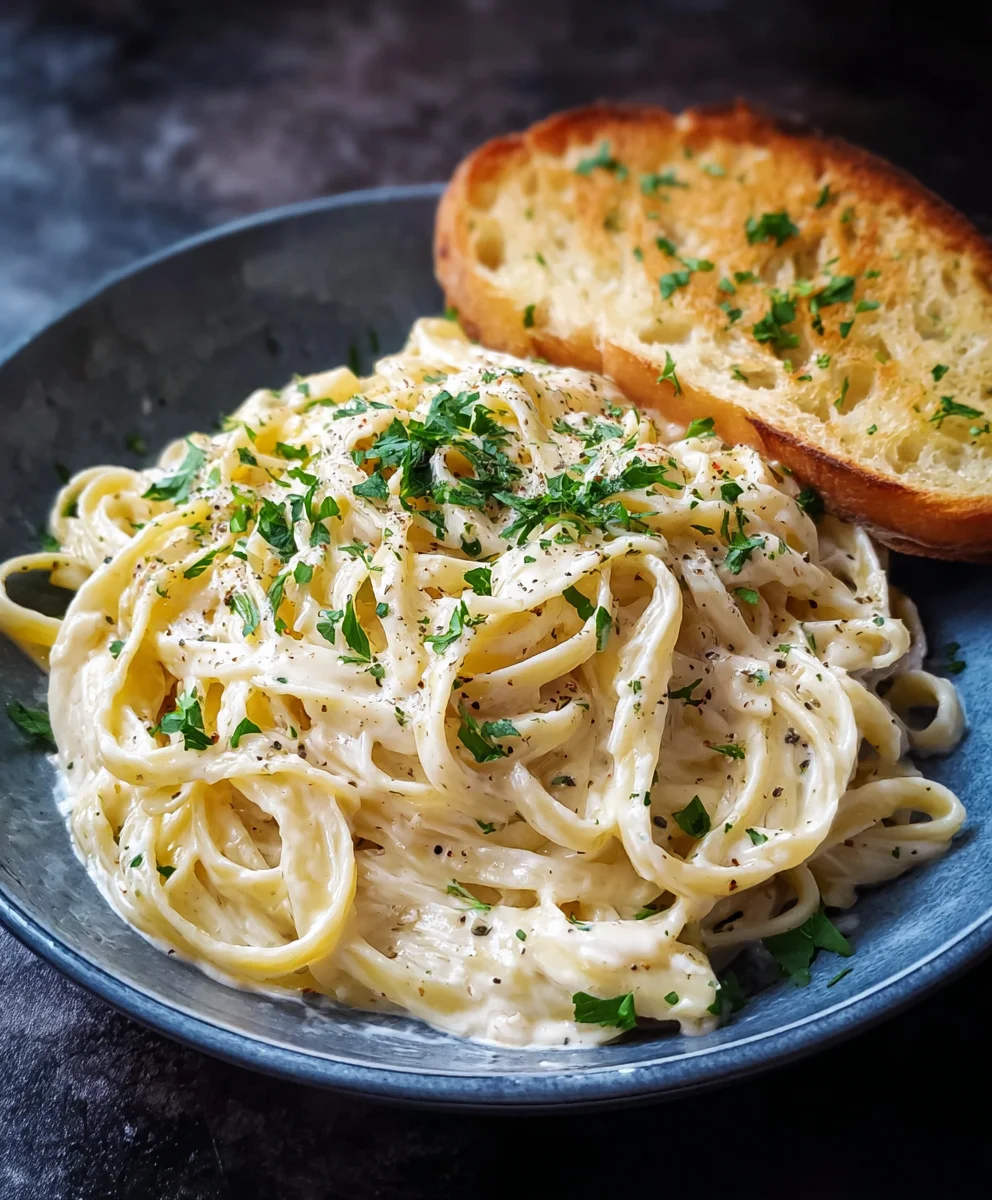
- Garnish and Present: Dish out generous portions of your perfectly coated Fettuccine Alfredo onto warm plates. For an extra touch of elegance and flavor, I always like to finish each serving with an additional sprinkle of freshly grated Parmigiano-Reggiano cheese right on top. If you’re using it, a light scattering of fresh, finely chopped parsley not only adds a beautiful splash of vibrant green color but also provides a fresh herbaceous counterpoint to the richness of the dish.
- Offer Fresh Black Pepper: A final flourish of freshly ground black pepper over each serving is always a welcome addition. The aromatic spice truly elevates the flavor profile of the creamy Fettuccine Alfredo, adding warmth and a subtle kick. Keep a pepper mill at the table so everyone can add more to their liking.
- Enjoy the Moment: Fettuccine Alfredo is a dish best enjoyed immediately. The sauce is at its peak creaminess and texture right when it’s freshly tossed with the hot pasta. Share this incredible, rich, and utterly satisfying meal with loved ones. There’s something truly special about indulging in a homemade classic like this.
- A Note on Leftovers: While Fettuccine Alfredo is undeniably best fresh, I understand that sometimes there are leftovers. The sauce will naturally thicken considerably as it cools, and reheating can sometimes cause the sauce to separate or become oily. If you do have leftovers, gently reheat them over low heat on the stovetop, adding a splash of milk, cream, or even some of that reserved pasta water (if you still have some) to help bring back some of its creaminess. Stir constantly until just warmed through, but be careful not to overheat. However, for the true, unadulterated Fettuccine Alfredo experience, always aim to devour it piping hot from the pan!
<h2>Conclusion:</h2>
<p>And there you have it, my friends! We’ve journeyed together through the simple yet profound magic of creating a truly exceptional dish right in our own kitchens. This isn’t just another recipe; it’s an invitation to experience pure culinary delight, a promise of a creamy, rich, and deeply satisfying meal that transcends the ordinary. I truly believe that once you try this method, you’ll never look at store-bought Alfredo sauce the same way again. The difference is night and day – the vibrant flavors of fresh garlic, the luxurious texture of real butter and heavy cream, and the undeniable tang of freshly grated Parmesan cheese coalesce into something truly unforgettable. It’s a dish that warms the soul, comforts the spirit, and satisfies even the most discerning palate, proving that restaurant-quality indulgence is absolutely achievable at home.</p>
<p>What makes this particular rendition a must-try, you ask? It’s the perfect balance. We’re not just throwing ingredients into a pot; we’re coaxing out the best of each component, building layers of flavor that culminate in a sauce that clings beautifully to every strand of pasta. It’s shockingly simple to execute, yet the result feels incredibly sophisticated. Imagine the pride you’ll feel when you present this steaming platter to your loved ones, knowing that every bite is a testament to your own kitchen prowess. This <strong>Fettuccine Alfredo</strong> isn’t merely food; it’s an experience, a memory in the making, and a testament to the joy of simple, quality ingredients prepared with care.</p>
<h4>Serving Suggestions to Elevate Your Meal:</h4>
<p>While this dish is undeniably a star on its own, a few thoughtful additions can transform it into an even grander affair. For a classic pairing, I always recommend serving your creamy pasta alongside a crisp, vibrant green salad dressed with a bright lemon vinaigrette. The acidity from the dressing cuts through the richness of the Alfredo beautifully, offering a refreshing counterpoint. Don’t forget some warm, crusty garlic bread for dipping into any leftover sauce – it’s practically mandatory! For a truly elegant touch, consider a glass of light-bodied white wine, perhaps a Chardonnay or a Pinot Grigio, which complements the creamy notes without overpowering the delicate flavors. And, of course, a final flourish of freshly cracked black pepper and a sprinkle of chopped fresh parsley or chives adds both visual appeal and a burst of fresh flavor.</p>
<h4>Delicious Variations to Spark Your Creativity:</h4>
<p>One of the joys of cooking is making a recipe your own, and this Alfredo is wonderfully adaptable. Feeling like adding some protein? Grilled chicken breast, thinly sliced and tossed into the finished pasta, is a timeless favorite. Sautéed shrimp, perhaps with a pinch of red pepper flakes for a subtle kick, also makes an exquisite addition. For a vegetarian twist, try adding some pan-fried mushrooms – cremini or shiitake work wonderfully – or blanched broccoli florets and sweet peas for a pop of color and extra nutrition. If you’re a fan of a slightly sharper cheese profile, consider blending a small amount of Pecorino Romano with your Parmesan. And for those who love a hint of warmth, a tiny pinch of freshly grated nutmeg stirred into the sauce can add an unexpected layer of depth. For a lighter touch, while the classic calls for heavy cream, you could experiment with half-and-half, though the richness will naturally be slightly diminished. Feel free to explore other long pasta shapes like linguine or tagliatelle if fettuccine isn’t on hand; the sauce will coat them just as beautifully.</p>
<p>So, what are you waiting for? This is your moment to shine in the kitchen. Gather your ingredients, put on your favorite music, and immerse yourself in the delightful process of creating this magnificent dish. I truly encourage you to give this recipe a try; it’s not nearly as intimidating as you might think, and the reward is absolutely worth every single step. Once you’ve whipped up your own batch, I would be absolutely thrilled to hear about your experience! Did you stick to the classic? Did you venture into creative variations? What was your favorite part of making it? Please, don’t hesitate to share your culinary creations, your triumphs, and even your “aha!” moments. Your insights and photos inspire not just me, but our entire community of home cooks. Let’s celebrate the simple, delicious pleasures of homemade food together. Happy cooking, and bon appétit!</p>
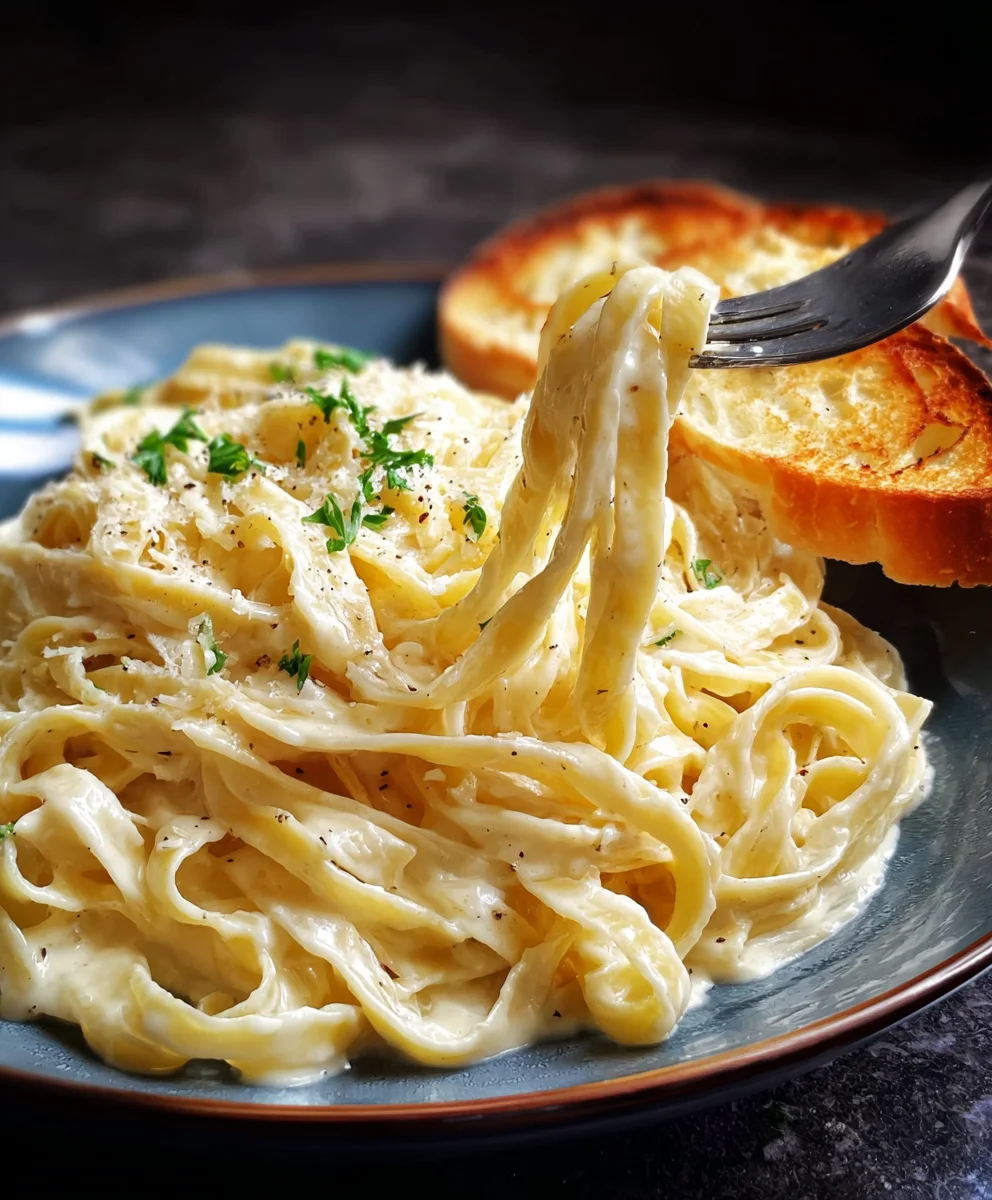
Classic Fettuccine Alfredo Recipe – Quick & Creamy!
Fettuccine Alfredo, a dish synonymous with ultimate comfort and culinary indulgence, holds a special place in the hearts of pasta lovers worldwide. Imagine perfectly al dente fettuccine ribbons bathed in a velvety, rich sauce that clings to every single strand, creating a symphony of flavors and textures in every bite. Preparing an authentic Fettuccine Alfredo at home is surprisingly straightforward, and this guide ensures a perfect, restaurant-quality result every time.
Ingredients
-
1 lb (450g) Fettuccine pasta
-
1 cup (226g) Unsalted butter
-
2 cups (480ml) Heavy cream
-
2 cups (200g) Freshly grated Parmigiano-Reggiano cheese
-
1 tsp Salt
-
½ tsp Freshly ground black pepper
-
Pinch of freshly grated nutmeg (optional)
-
Fresh parsley, chopped, for garnish (optional)
Instructions
-
Step 1
Gather all tools and ingredients. Finely grate Parmigiano-Reggiano cheese. Measure heavy cream and cut butter into smaller pats. Fill a large pot generously with water for pasta. -
Step 2
Bring the large pot of water to a vigorous, rolling boil. Add 1-2 tablespoons of salt. Carefully add fettuccine and cook according to package directions until al dente, checking a minute or two before suggested time. It should be tender but firm to the bite. -
Step 3
Before draining, scoop out 1.5 to 2 cups of the starchy pasta cooking water. Drain the pasta into a colander; do not rinse under cold water. -
Step 4
In a large, wide skillet over low to medium-low heat, gently melt the unsalted butter until shimmering. Pour in the heavy cream and stir gently. Increase heat slightly to medium-low and bring to a very gentle simmer for 3-5 minutes, stirring occasionally, until warmed and slightly thickened. -
Step 5
Remove the pan from heat (or set to lowest). Gradually add the finely grated Parmigiano-Reggiano cheese, a handful at a time, whisking constantly until each addition has completely melted and the sauce is thick and silky. -
Step 6
Season the sauce with salt, freshly ground black pepper, and the optional pinch of nutmeg. Taste and adjust seasoning as needed, remembering the cheese contributes salt. -
Step 7
Immediately transfer the hot, drained fettuccine directly into the pan of warm Alfredo sauce. Using tongs, gently but thoroughly toss the pasta with the sauce for 1-2 minutes, ensuring every strand is beautifully coated and glistening. -
Step 8
If the sauce appears too thick or clumpy, add the reserved starchy pasta water, one tablespoon at a time, tossing vigorously after each addition, until the sauce reaches your desired smooth, glossy, and creamy perfection. -
Step 9
Serve generous portions of your perfectly coated Fettuccine Alfredo onto warm plates immediately. Garnish with an additional sprinkle of freshly grated Parmigiano-Reggiano and chopped fresh parsley, if desired. Offer fresh black pepper. -
Step 10
Fettuccine Alfredo is best enjoyed fresh. If reheating leftovers, do so gently over low heat on the stovetop, adding a splash of milk, cream, or reserved pasta water to restore creaminess. Stir constantly and do not overheat.
Important Information
Nutrition Facts (Per Serving)
It is important to consider this information as approximate and not to use it as definitive health advice.
Allergy Information
Please check ingredients for potential allergens and consult a health professional if in doubt.


Leave a Comment