

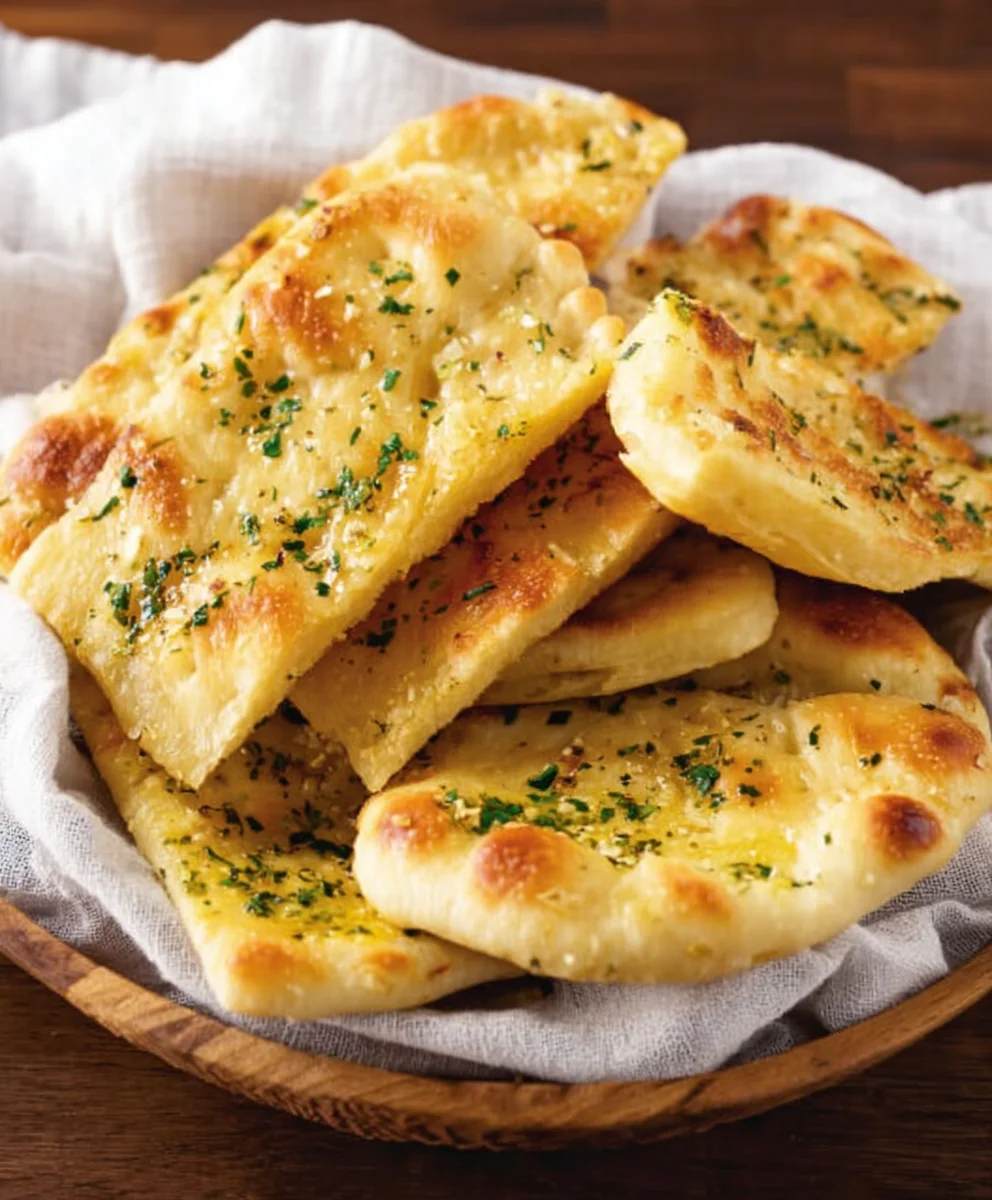
Easy Flatbread Recipe is the ultimate culinary cbeef hameleon, ready to transform your weeknight dinners from mundane to magnificent! Have you ever craved that perfectly chewy, slightly crisp base for your favorite toppings, but felt intimidated by baking? Well, banish those baking blues, because this recipe is here to prove that delicious homemade flatbread is well within your reach, no complex techniques required. What truly makes this easy flatbread recipe so beloved is its incredible versatility and the sheer joy of pulling a warm, fragrant loaf straight from your oven. It’s the kind of bread that sparks conversation at the table, a delightful canvas for everything from vibrant Mediterranean spreads and spicy Indian curries to simple, comforting garlic butter. The magic lies in its simplicity, using just a few pantry staples to create something truly special that tastes infinitely better than anything store-bought.

Ingredients:
- 3 cups all-purpose flour (plus additional flour for dusting)
- 2 teaspoons baking powder
- 1 ½ teaspoons salt
- 3 tablespoons olive oil or vegetable oil
- 1 cup ice water
- Oil for cooking (about 2 – 3 tablespoons)
- ¼ to ⅓ cup olive oil or melted butter
- 1 teaspoon garlic powder
- Pinch of salt
- Chopped fresh parsley (about 2 teaspoons)
Preparing the Dough
This easy flatbread recipe is incredibly simple to make, relying on just a few pantry staples to create delicious, fluffy flatbreads. The key to a good flatbread is a well-developed dough that’s easy to handle and cooks up beautifully.
To begin extract, in a large mixing bowl, combine the dry ingredients. This includes your 3 cups of all-purpose flour, 2 teaspoons of baking powder, and 1 ½ teaspoons of salt. Whisk these together thoroughly to ensure the leavening agent and salt are evenly distributed throughout the flour. This is a crucial step for consistent rise and flavor in your flatbreads. Next, create a well in the center of the dry ingredients. Pour in the 3 tablespoons of olive oil or vegetable oil. The oil will add a bit of richness and tenderness to the dough. Now, gradually add the 1 cup of ice water. It’s important to use ice water as it helps to keep the gluten development at bay initially, resulting in a more tender flatbread. Mix everything together with a fork or a spatula until a shaggy gin extractgh begins to form. Don’t overmix at this stage; you just want to bring the ingredients together.
Once the dough has started to come together, turn it out onto a lightly floured surface. This is where you’ll do your kneading. Gently knead the dough for about 5-7 minutes, or until it becomes smooth and elastic. You’ll know it’s ready when it springs back slowly after you gently press it with your finger. The dough should be soft but not sticky. If it feels too wet, add a tiny bit more flour, a tablespoon at a time. If it feels too dry, add a teaspoon of water. The goal is a pliable dough that’s easy to work with. After kneading, form the dough into a smooth ball. You can then lightly grease the mixing bowl with a touch of oil, place the dough back in, and turn it to coat. Cover the bowl with a clean kitchen towel or plastic wrap and let the dough rest for at least 15-20 minutes. This resting period allows the gluten to relax, making the dough easier to roll out and resulting in a more tender flatbread.
Shaping and Topping the Flatbreads
After the dough has rested, it’s time to shape it into individual flatbreads. Turn the dough out onto your lightly floured work surface again. You can divide the dough into 6 to 8 equal portions, depending on how large you want your flatbreads to be. Roll each portion into a ball. To shape the flatbreads, I like to use a combination of rolling and patting. Take one dough ball and flatten it slightly with your palm. Then, using a rolling pin, roll it out into a circle or an irregular shape, about ¼-inch thick. If the dough springs back, let it rest for a few more minutes. You want them to be relatively thin for them to cook quickly and get nice and puffy.
While you’re shaping the flatbreads, you can preheat your cooking surface. I prefer to cook these on a cast-iron skillet or a griddle over medium-high heat. You can also use a large non-stick pan. Make sure your pan is hot before you add your first flatbread. This will ensure a good sear and help the flatbread puff up nicely.
Now, for the delicious topping. In a small bowl, combine ¼ to ⅓ cup of olive oil or melted butter with 1 teaspoon of garlic powder and a pinch of salt. This simple mixture will infuse your flatbreads with a wonderful garlic flavor. You can also stir in the 2 teaspoons of chopped fresh parsley at this stage for a burst of freshness and color. Brush or spread this garlic-oil mixture generously over the surface of each shaped flatbread. Don’t be shy with the topping; it adds so much flavor and helps create those lovely crispy edges.
Cooking the Flatbreads
This is where the magic happens! Heat your skillet or griddle over medium-high heat. Add about 1-2 tablespoons of cooking oil to the hot pan. You want enough oil to lightly coat the bottom, but not so much that it becomes greasy. Wait for the oil to shimmer, which indicates it’s hot enough. Carefully place one or two flatbreads into the hot skillet, making sure not to overcrowd the pan. You should hear a satisfying sizzle as they hit the heat.
Cook each flatbread for about 2-3 minutes per side, or until golden brown and beautifully puffed. Watch them closely, as they cook quite quickly. You’ll see bubbles forming on the surface of the dough, and the edges will start to crisp up. Use a spatula to carefully flip the flatbread and cook the other side until it’s also golden brown and cooked through. The puffiness is a good indicator that the flatbread is light and airy inside. If your flatbread isn’t puffing up as much as you’d like, it could be that your pan isn’t hot enough, or the dough might be a bit too thick.
Once cooked, remove the flatbreads from the skillet and place them on a plate. You can brush them with a little extra melted butter or olive oil immediately after they come out of the pan, and perhaps sprinkle with a touch more salt if you like. This adds an extra layer of flavor and keeps them wonderfully soft. Continue cooking the remaining flatbreads, adding a little more oil to the pan as needed between batches. Ensure the pan stays hot to maintain consistent cooking. These are best served warm, straight from the skillet, when they are at their most delicious and pliable. Enjoy your homemade easy flatbread recipe!
Conclusion:
And there you have it – your very own delicious and incredibly Easy Flatbread Recipe! This recipe is designed to be straightforward and forgiving, making it a fantastic option for both novice bakers and seasoned cooks looking for a quick bread solution. The versatility of this flatbread is truly its superpower. Enjoy it fresh out of the oven with a drizzle of olive oil and a sprinkle of sea salt, or use it as a base for your favorite toppings.
For serving suggestions, imagin extracte these warm, pillowy flatbreads alongside a hearty lentil soup, piled high with hummus and fresh vegetables for a quick lunch, or as the perfect accompaniment to your next grilled dinner. Feel free to get creative with variations! Add fresh herbs like rosemary or thyme directly into the dough, or sprinkle sesame seeds or a pinch of chili flakes on top before baking for an extra flavor dimension. Don’t be afraid to experiment – that’s part of the fun!
I truly hope you enjoy making and sharing this Easy Flatbread Recipe. It’s a simple pleasure that brings warmth and deliciousness to any meal. Happy baking!
Frequently Asked Questions:
Can I make this dough ahead of time?
Yes, you can. Once the dough has risen for the first time, you can punch it down, wrap it tightly in plastic wrap, and refrigerate it for up to 24 hours. Let it come to room temperature for about 30 minutes before shaping and baking.
What if I don’t have a cast-iron skillet?
No problem at all! You can bake these flatbreads directly on a baking sheet lined with parchment paper in a preheated oven. Ensure your oven is at the specified temperature for optimal results.
How should I store leftover flatbread?
Store any leftover flatbread in an airtight container or a zip-top bag at room temperature for up to two days. To refresh, you can briefly warm them in a dry skillet or in the oven.
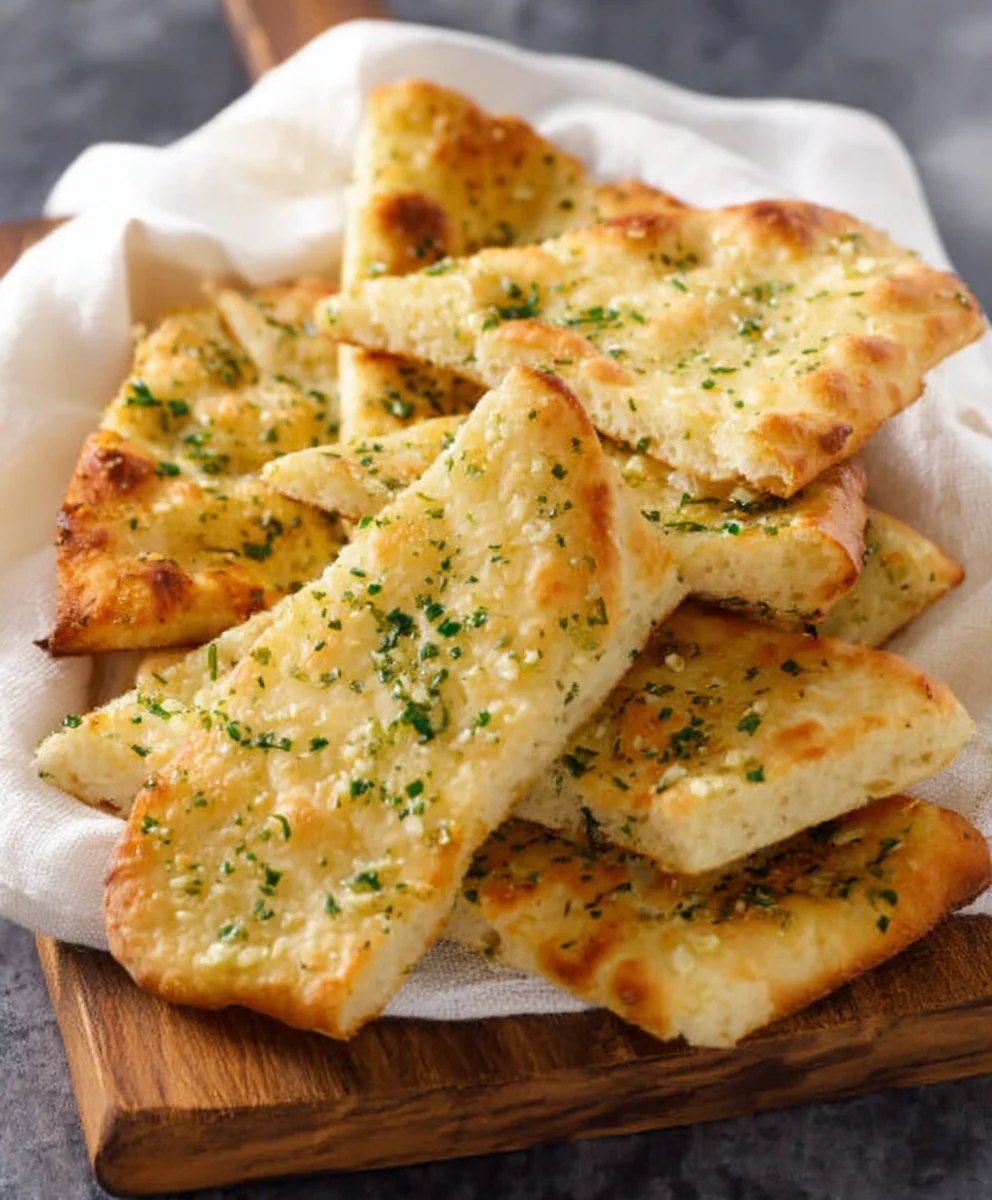
Easy Flatbread Recipe – Quick & Delicious Homemade Bread
Quick and delicious homemade flatbreads made with simple pantry staples, perfect for any meal.
Ingredients
-
3 cups all-purpose flour, plus additional flour for dusting
-
2 teaspoons baking powder
-
1 ½ teaspoons salt
-
3 tablespoons olive oil or vegetable oil
-
1 cup ice water
-
Oil for cooking, about 2 – 3 tablespoons
-
¼ to ⅓ cup olive oil or melted butter
-
1 teaspoon garlic powder
-
Pinch of salt
-
Chopped fresh parsley, about 2 teaspoons
Instructions
-
Step 1
In a large mixing bowl, combine 3 cups all-purpose flour, 2 teaspoons baking powder, and 1 ½ teaspoons salt. Whisk together. Create a well in the center, pour in 3 tablespoons of olive oil or vegetable oil, and gradually add 1 cup of ice water. Mix with a fork or spatula until a shaggy dough forms. -
Step 2
Turn the dough out onto a lightly floured surface and knead for 5-7 minutes until smooth and elastic. Form into a ball, lightly grease the mixing bowl, place dough back in, cover, and let rest for at least 15-20 minutes. -
Step 3
Divide the rested dough into 6 to 8 equal portions. Roll each portion into a ball, then flatten and roll out into a circle about ¼-inch thick. Preheat a cast-iron skillet or griddle over medium-high heat. -
Step 4
In a small bowl, combine ¼ to ⅓ cup olive oil or melted butter with 1 teaspoon garlic powder and a pinch of salt. Stir in 2 teaspoons chopped fresh parsley. Brush this mixture generously over the surface of each shaped flatbread. -
Step 5
Heat 1-2 tablespoons of cooking oil in the hot skillet over medium-high heat until shimmering. Carefully place flatbreads into the skillet, not overcrowding the pan. -
Step 6
Cook each flatbread for 2-3 minutes per side, or until golden brown and puffed. Flip with a spatula and cook the other side until golden brown and cooked through. -
Step 7
Remove cooked flatbreads from the skillet and brush with extra melted butter or olive oil. Serve warm.
Important Information
Nutrition Facts (Per Serving)
It is important to consider this information as approximate and not to use it as definitive health advice.
Allergy Information
Please check ingredients for potential allergens and consult a health professional if in doubt.


Leave a Comment